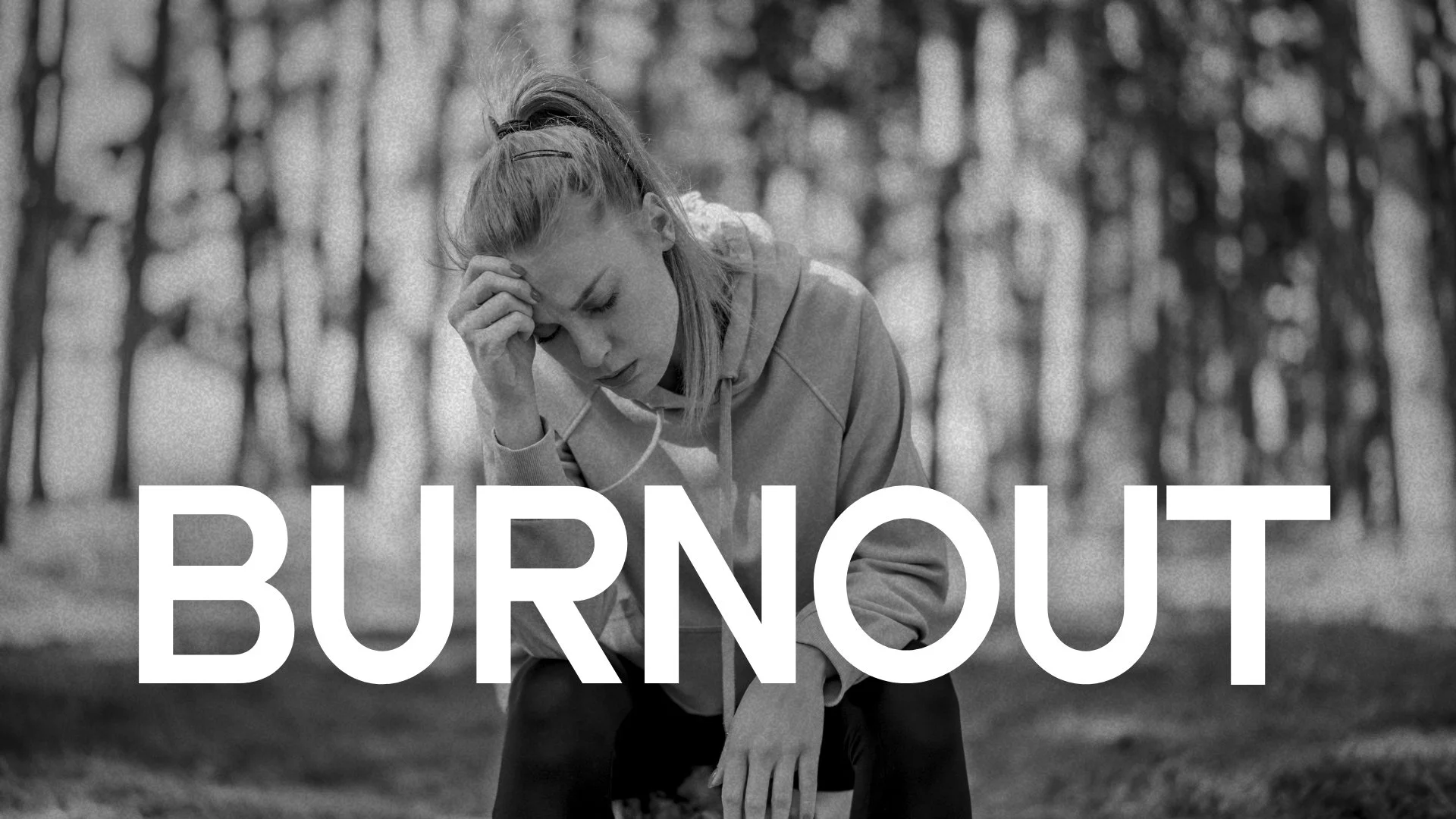
What Burnout Actually Looks Like (And Why It's More Than Just Being Tired)
We've all had weeks where we're exhausted. A few late nights, a busy workload, family commitments - suddenly we're counting down the days until the weekend.
But burnout is different.
Burnout isn't simply feeling tired after a demanding week. It's a state of ongoing emotional, mental, and physical exhaustion that develops over time when stress continues without enough opportunity to recover. Unlike ordinary fatigue, a good night's sleep or a relaxing weekend often isn't enough to restore your energy.
The Three Signs of Burnout
Psychologists commonly describe burnout as involving three key experiences:
1. Emotional Exhaustion
This is often the first thing people notice.
You may feel completely drained before the day has even begun. Tasks that once felt manageable suddenly seem overwhelming, and it becomes harder to cope with even small challenges.
You might find yourself thinking:
"I have nothing left to give."
"I just can't do this today."
"Everything feels like too much."
2. Feeling Detached or Disconnected
Burnout can also make you feel emotionally distant from your work, your responsibilities, or even the people around you.
You may notice yourself becoming more cynical, impatient, or irritable. Things you once enjoyed no longer feel rewarding, and you may start operating on "autopilot" just to get through the day.
3. Feeling Like You're Not Achieving Anything
Even when you're working hard, burnout can convince you that you're falling behind or that nothing you do is making a difference.
You might question your abilities, lose confidence, or feel as though you're constantly failing despite your efforts.
Burnout Doesn't Only Happen at Work
When people hear the word burnout, they often picture someone working long hours in a demanding job.
While workplace burnout is common, it isn't the only type.
Parents can experience burnout from the constant demands of caring for children.
Carers can become burnt out after months or years of looking after loved ones.
Students can burn out from ongoing academic pressure.
Even people managing chronic illness, disability, or significant life stress can experience burnout as their emotional and physical resources become depleted.
Burnout is less about what you're doing and more about the mismatch between the demands you're carrying and the opportunity you have to recover.
Common Signs You Might Be Burning Out
Everyone experiences burnout differently, but some common signs include:
Feeling exhausted most days
Difficulty concentrating or remembering things
Reduced motivation
Increased irritability or frustration
Feeling emotionally numb
Loss of enjoyment in activities you once loved
Withdrawing from others
Changes in sleep or appetite
Feeling like you're simply "going through the motions"
Many people describe burnout as feeling like they're surviving rather than living.
Recovery Isn't Being Lazy
One of the biggest myths about burnout is that the solution is simply to "push through."
In reality, continuing to ignore burnout often makes it worse.
Recovery isn't a reward you've earned once everything is finished—it is part of what allows you to keep functioning well over the long term.
Sometimes recovery involves practical changes, like reducing your workload or asking for help. Other times it involves reconnecting with activities that restore you, improving boundaries, or learning healthier ways to respond to ongoing stress.
For many people, talking with a psychologist can also help identify what's contributing to burnout and develop practical strategies for recovery.
A Question to Reflect On
Here's a simple question to ask yourself today:
What has been giving me energy lately?
If your honest answer is "nothing," that's worth paying attention to.
Burnout often creeps in gradually, making it easy to overlook until we're running on empty. Recognising the signs early gives you the opportunity to make changes before burnout becomes more severe.
Remember, productivity isn't the goal—sustainable wellbeing is. Sometimes the most productive thing you can do is slow down, recover, and give yourself permission to refill your own cup.
At Joy Psychology, we believe psychological wellbeing isn't just about getting through life's hardest moments—it's about helping you learn, heal, and grow through every season of life. If you're feeling overwhelmed, emotionally exhausted, or wondering whether you're experiencing burnout, support is available. You don't have to wait until you're completely running on empty before reaching out.
More joy for today and tomorrow.
References
Maslach, C., & Leiter, M. P. (2022). The Burnout Challenge: Managing People's Relationships with Their Jobs. Harvard University Press.
Hayes, S. C., Strosahl, K. D., & Wilson, K. G. (2016). Acceptance and Commitment Therapy: The Process and Practice of Mindful Change (2nd ed.). Guilford Press. (Recovery through values-based action.)